
Managing 3 Nurse Injectors and 21 Staff with Edward D. Buckingham, MD
Hello, and welcome to Beauty and the Biz where we talk about the business and marketing side of plastic surgery, and managing nurse injectors and staff...
View More
27
Nov
Hello, and welcome to Beauty and the Biz where we talk about the business and marketing side of plastic surgery, and managing nurse injectors and staff...
View More27
Nov
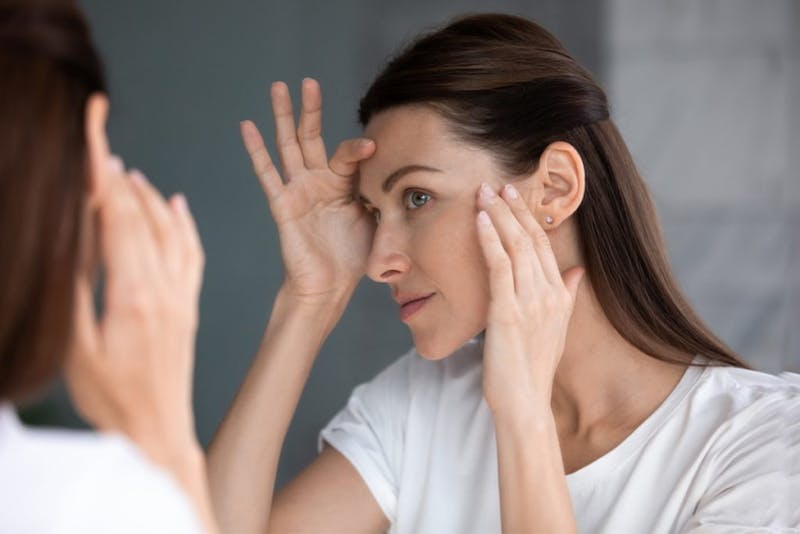
Many women and men turn to anti-aging skincare first. Aging is a fact of life, but how you deal with the inevitable is entirely up to you. Many women and men turn to anti-aging skincare first. Alpha and beta hydroxy acids, retinoids, and topically applied antioxidants have w...
View More27
Nov

Your face is one of the first items on your body to show its age. Your face is one of the first items on your body to show its age. Some of this is due to exposure to the sun and other elements. Another cause is how your body changes over the years. Facial tissues start to...
View More27
Nov

Several skin treatments can clear your skin and improve its texture Do you have minor skin imperfections that don't require surgery but still warrant correction? These could include age spots, sun damage, acne scars, or wrinkles, and fine lines. Well, several skin trea...
View More27
Nov
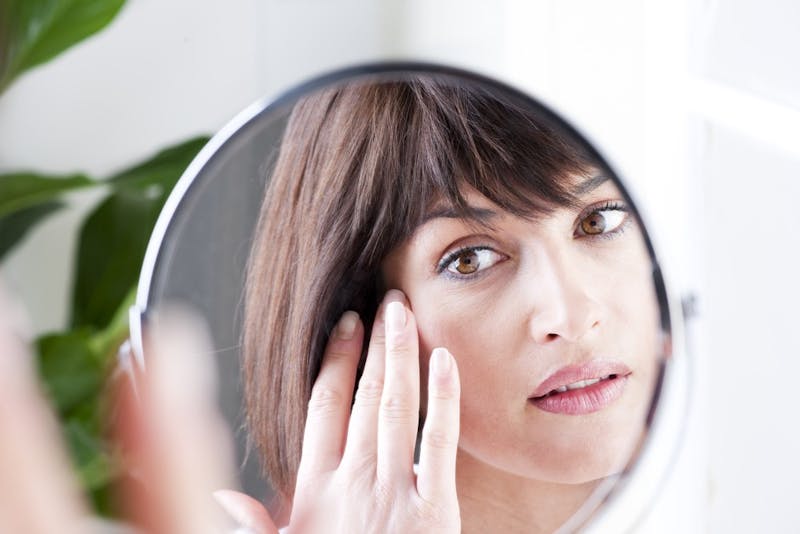
Though your genes do have a role in how your skin ages, other factors also play a role. Aging may be inevitable, but some practices age a person more quickly than they should. Accelerated aging affects the internal organs as well as the skin, but the experts at the Buckingha...
View More27
Nov
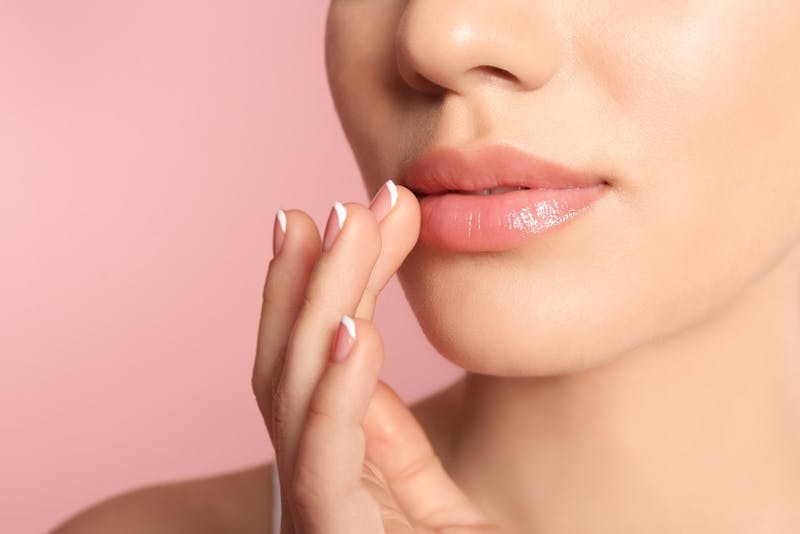
Lip filler is one of the easiest and fastest ways to upgrade your look.A bigger and plumper pout can instantly take your look from ordinary to jaw-dropping. Lip enhancement can help you achieve this sought after look. Overlining your lips with makeup will be a thing of the past...
View More27
Nov
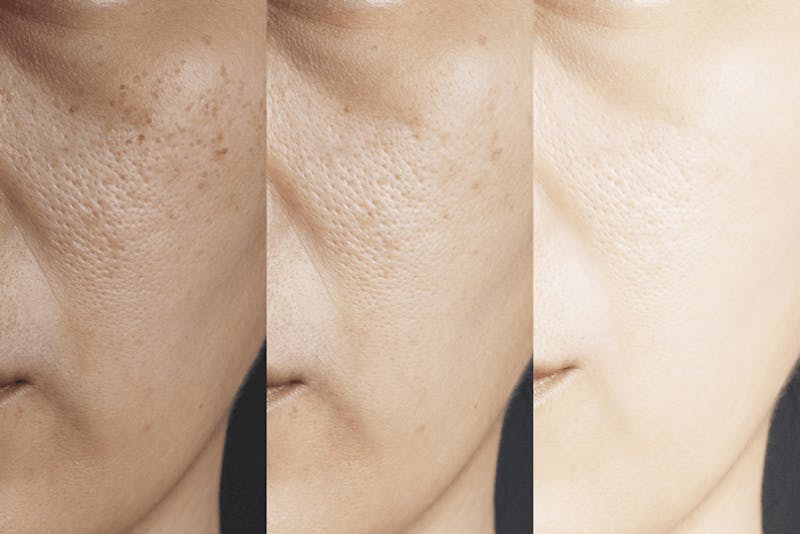
Lighten your skin tone and brown spotsRetin-A cream is a form of vitamin A that helps the renovation of your skin. Hydroquinone is a bleaching cream that is used to lighten the skin tone and brown spots. Both products are used to keep enhancing your skin's color and glow a...
View More27
Nov

Rhinophyma is a skin deformity that is characteristic of advanced stages of rosacea.What would it feel like to be embarrassed to leave your home or be in a public space due to a cosmetic condition? That's how many people living with severe cases of rhinophyma feel.Rhinophym...
View More27
Nov

There are also functional reasons to consider nasal surgery. There's a reason people say that some things are “as plain as the nose on your face.” When we look at each other, one of the first features we see is the nose. That’s one of the reasons rhin...
View More27
Nov
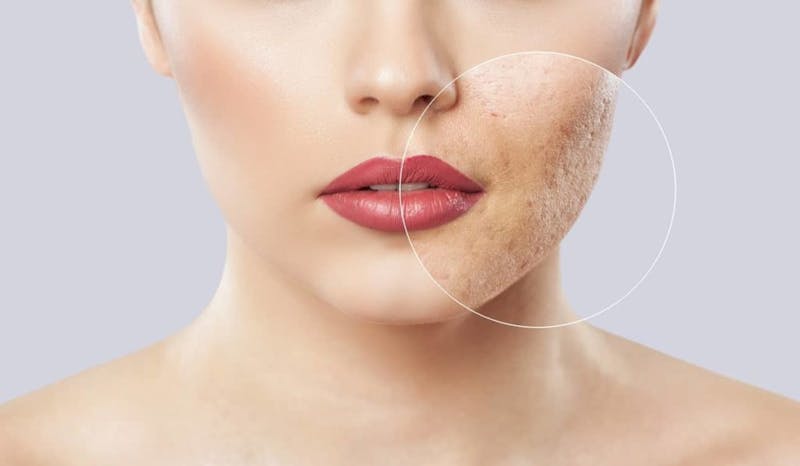
Dealing with acne can take a massive toll on your self-esteem Dealing with acne can take a massive toll on your self-esteem, sometimes for years and years on end. For most people, though, that glorious day eventually arrives: you either find that magic acne treatment or you...
View More